
A crushed vape.
A damaged e-bike battery.
A phone tossed into the wrong bin.
Individually, they seem harmless.
But in the waste system, they are becoming one of the fastest-growing safety risks in the industry.
A systemic problem
Lithium-ion batteries are now everywhere—from consumer electronics to mobile devices. And when they enter waste streams improperly, the consequences are serious.
- In France, the number of fires in waste treatment facilities linked to lithium batteries doubled between 2019 and 2023
- In Germany, up to 30 fire incidents per day occur in waste collection vehicles and in waste treatment facilities, with 80% attributed to lithium batteries
- In some regions, battery-related fires have reached record highs, with over 1,200 incidents in a single year in the UK alone.
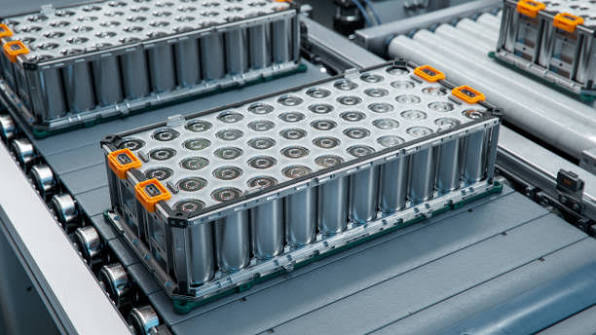
A hidden firecracker
When damaged, punctured, or compressed, lithium-ion batteries can trigger a thermal runaway–a sudden spike in temperature at more than 20°C per minute.
This chain reaction can lead to explosions or fast-spreading fires.
These batteries are often hidden inside everyday items like disposable vapes and toys, making them difficult to detect.
Studies show that lithium batteries are now one of the leading causes of fires across the entire waste management chain–from collection trucks, sorting stations, to waste management plants.
The challenge: detection at scale
Today, to detect and react to these battery-related issues, many facilities still rely on
- Manual inspection
- Operator experience
- Reactive fire suppression systems
This is a passive approach—leaving a significant margin for error.
The solution: Jaipur Robotics
This is where a new, AI-powered approach is emerging.
At Jaipur Robotics, we’re building systems designed to identify risk before it becomes a hazard.
Using computer vision and real-time analytics, our technology can:
- Detect non-compliant materials, including battery-containing items, as they enter the waste stream—with up to 99% accuracy
- Provide instant alerts to operators
- Generate calorific value maps to support waste mixing and ensure stable combustion
It’s time to stop reacting and start detecting problems before ignition.
Rethinking safety in a battery-powered world
As electrification accelerates, so does the volume of lithium batteries entering our waste streams. This is a pressing infrastructure and safety challenge.
And solving it requires more than awareness. It requires better disposal systems, stronger regulation, and smarter technology.